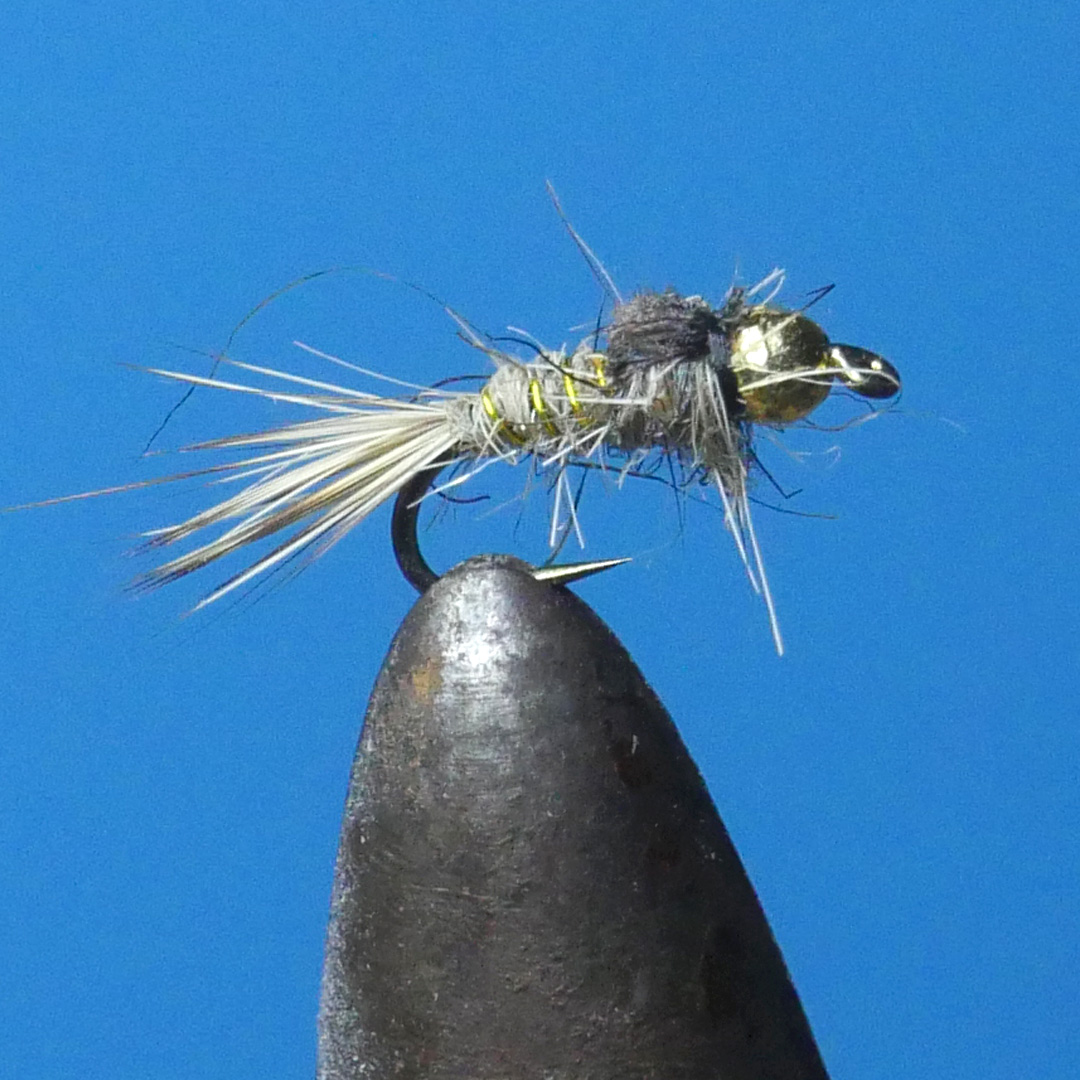
Nymph Fly

Prince Nymph

Fly Description

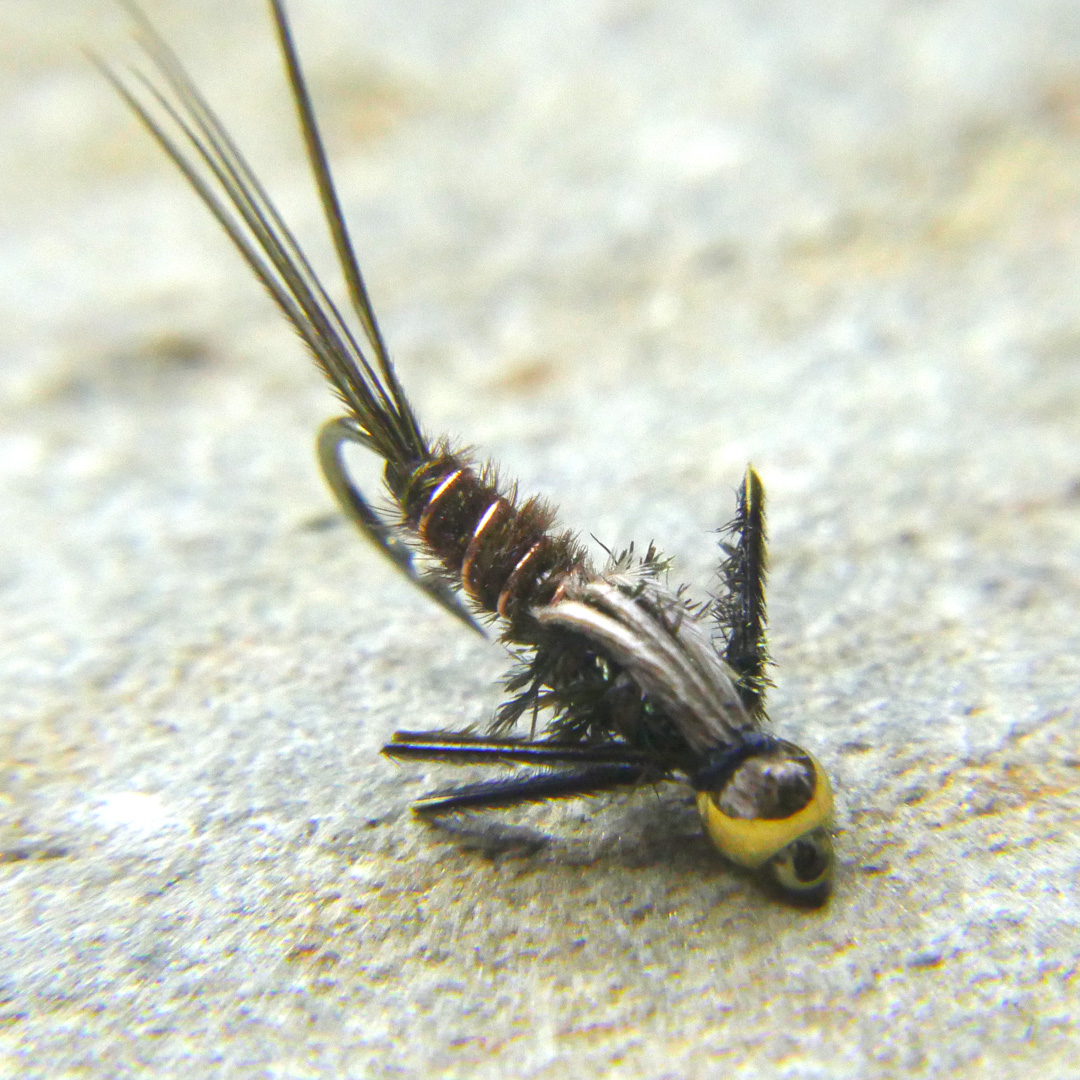
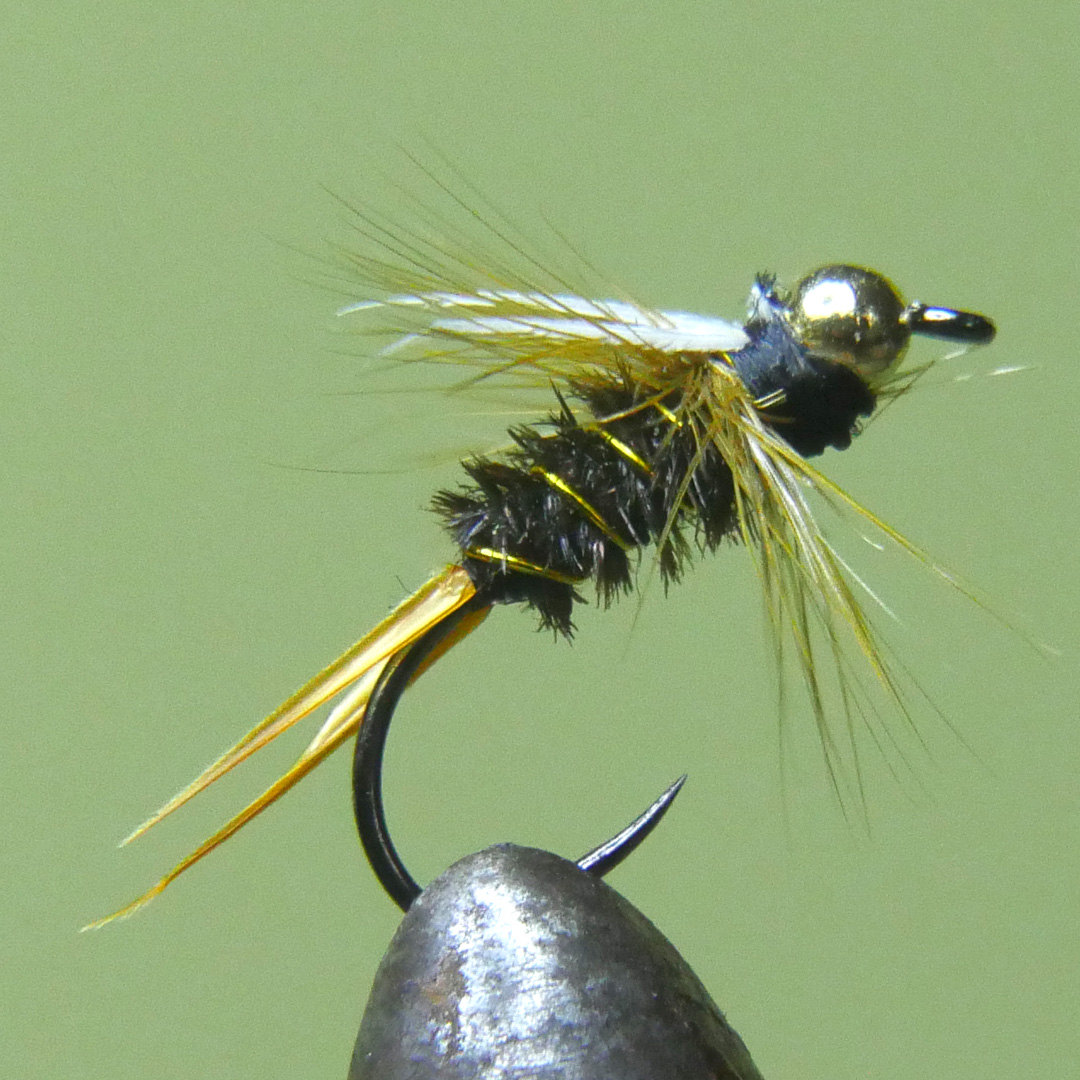
The Prince Nymph is a legendary, flashy attractor fly pattern that has earned a permanent home in nearly every trout angler's fly box. Originally developed in the 1930s by Doug Prince (initially called the Brown Forked Tail), it functions as an exceptional prospecting pattern. Rather than mimicking a single insect, its profile suggests a wide variety of subsurface food sources—chiefly stonefly nymphs, but also caddis larvae and mayfly nymphs.
Fly Type
Nymph Fly
Fly Materials
Goose Biots
Peacock Herl
Gold Wire
Tungsten Bead
Hen Hackle

Pheasant Tail

Fly Description

To tie the modern standard Beadhead Pheasant Tail Nymph (the widely popular Americanized version), you will need to blend the earth-toned, natural look of pheasant tail fibers with a flashy metallic bead and a buggy peacock thorax. This combination creates a heavy, fast-sinking, general attractor profile that excels in any moving river or stream.

Fly Type
Nymph Fly
Fly Materials
Pheasant Tail
Copper Wire
Peacock Herl
Tungsten Bead
Turkey Feather

Perdigon

Fly Description

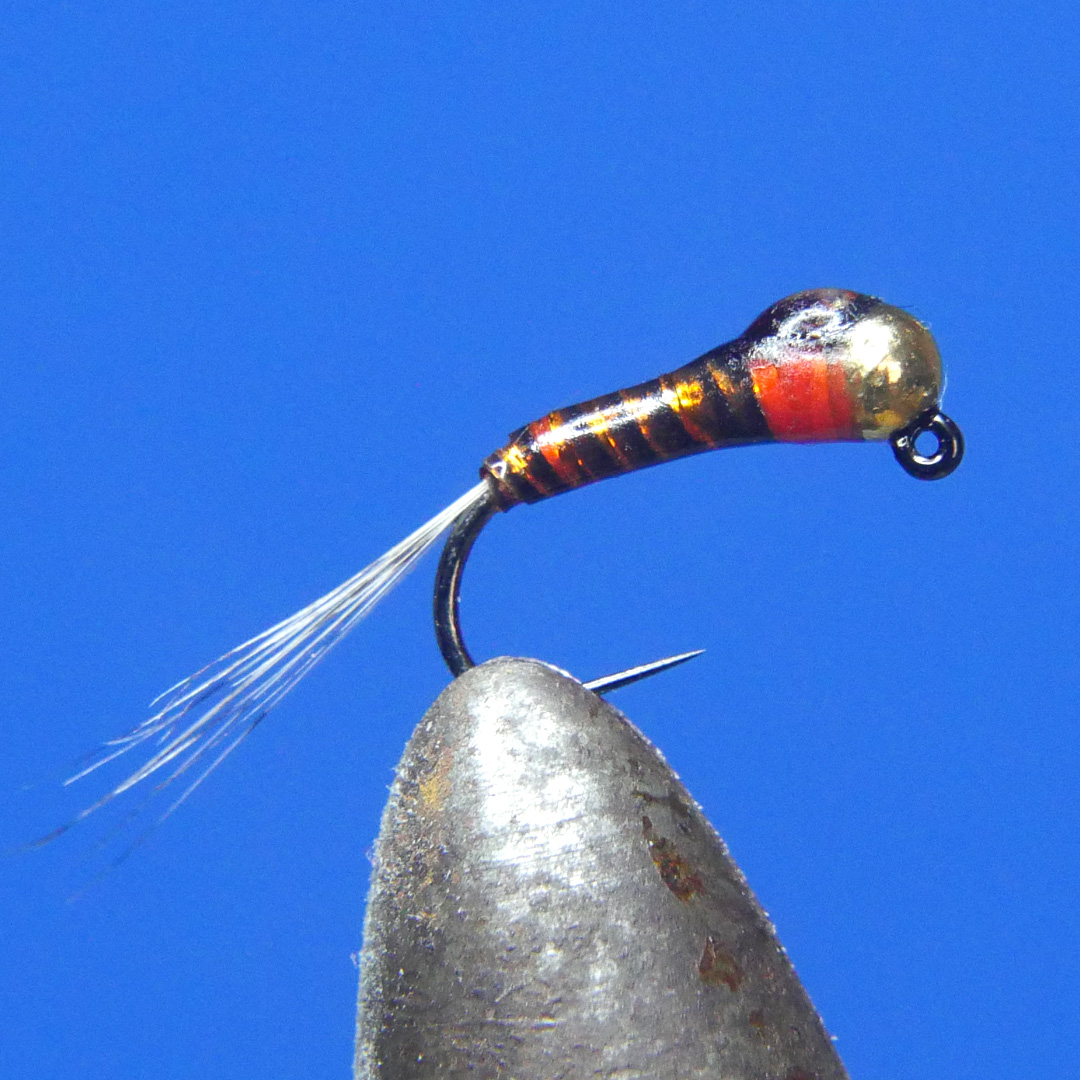
The Perdigon is an ultra-streamlined, quick-sinking European competition nymph designed specifically to plummet into deep, fast river currents. Rather than relying on traditional dubbing, legs, or soft feathers—which trap water resistance and slow a fly down—the Perdigon features a hard, glassy, UV-resin coat over a thread or tinsel body. This bullet-like profile allows it to penetrate water columns with zero drag.

Fly Type
Nymph Fly
Fly Materials
Tungsten Bead
Lead Wire
Coq De Leon
Gold Wire
Antron
UV Resin

Palamino Midge

Fly Description

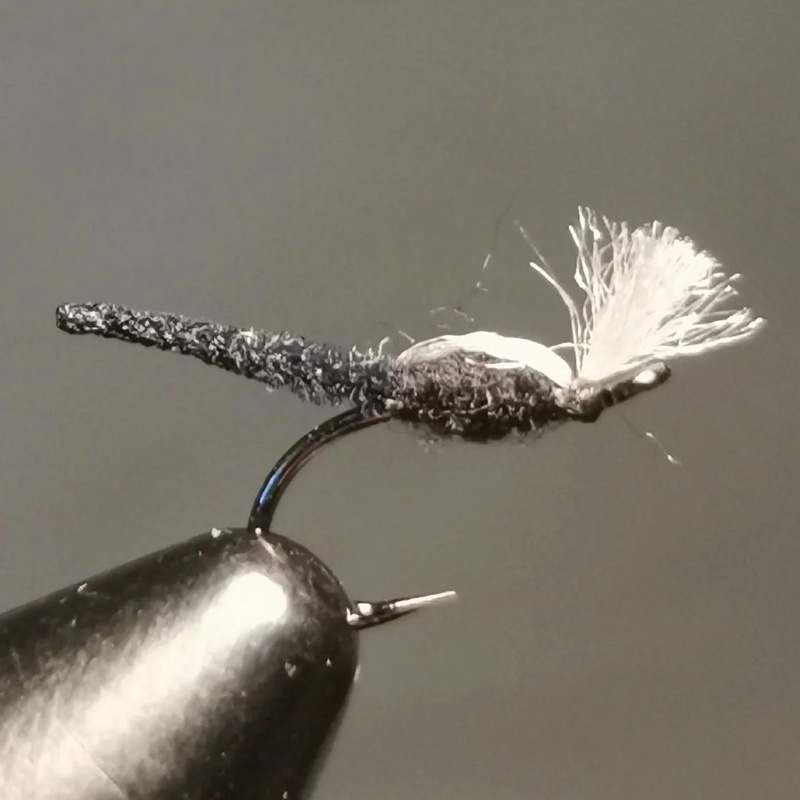
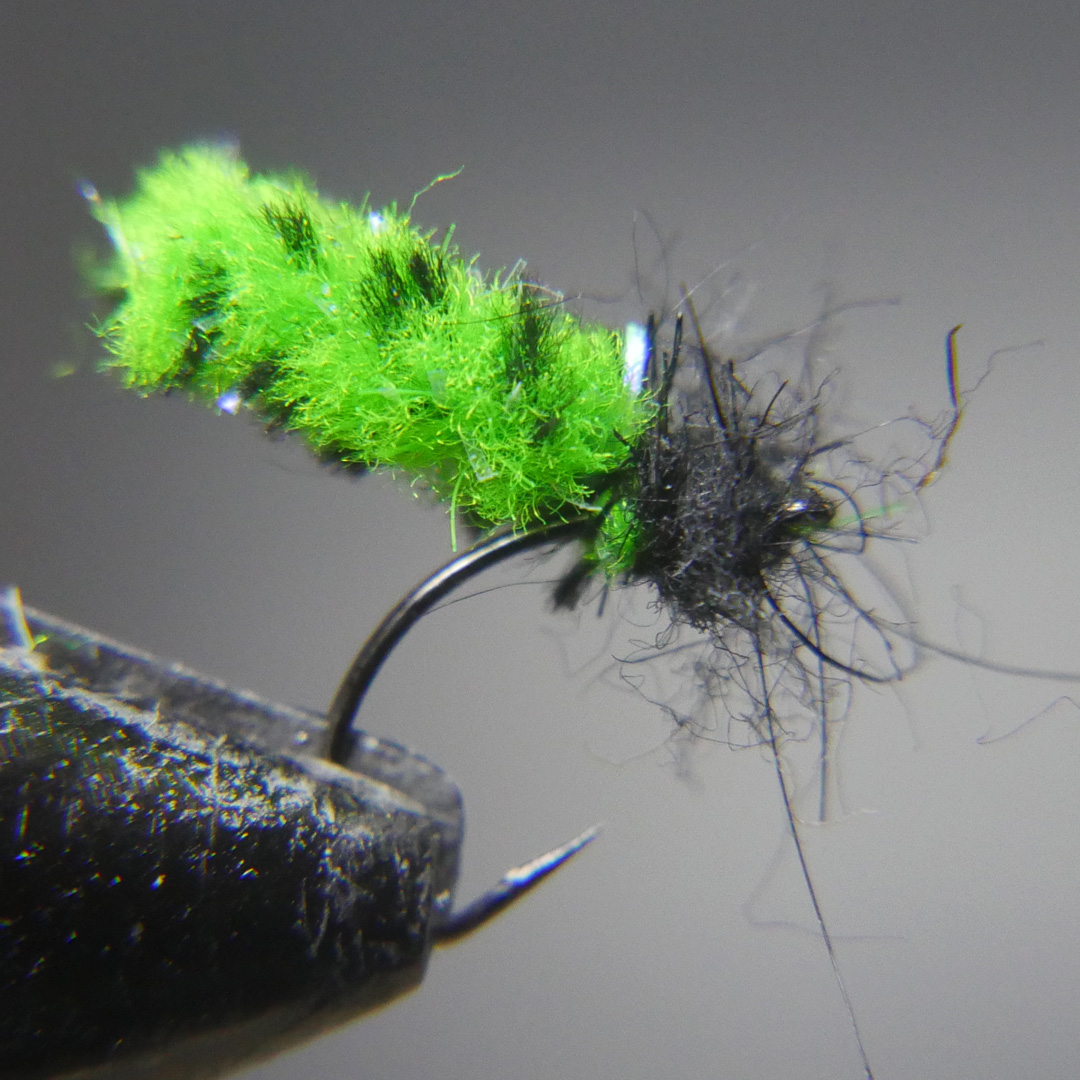
To tie the Palomino Midge, you must master the technique of attaching its signature detached extended body. The secret to a perfect Palomino is using a flame to melt the tip of the micro-chenille, which simultaneously seals the synthetic fibers and creates a realistic, tapered insect tail.

Fly Type
Nymph Fly
Fly Materials
Chenille
Antron
Dubbing

October Caddis Pupa

Fly Description

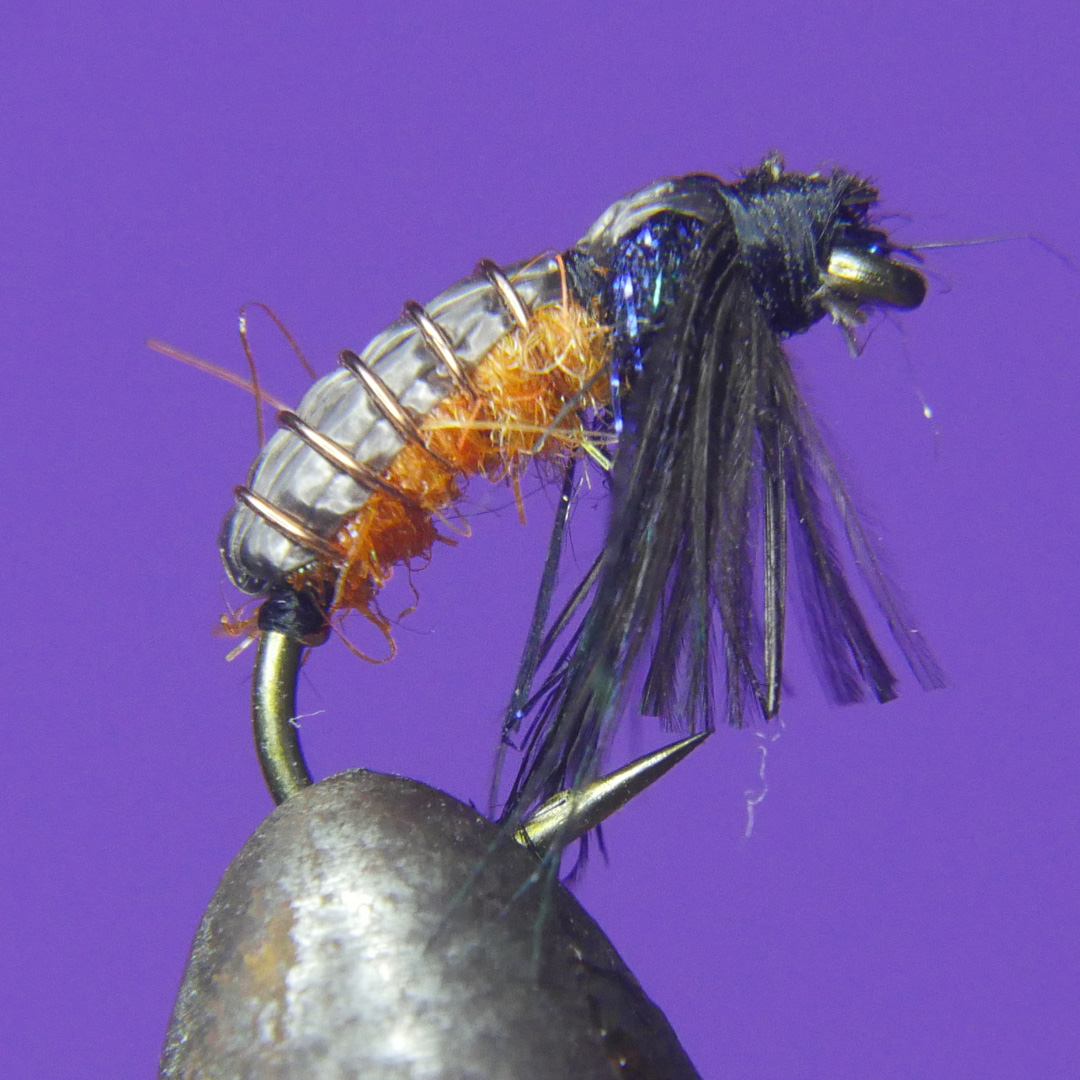
The October Caddis Pupa is a large, highly specialized subsurface fly pattern engineered to mimic the transitional pupal stage of the Limnephilidae family (specifically Dicosmoecus), commonly known as the giant orange caddis. This hatch is a legendary fall event on trout rivers—particularly across the Western United States—representing one of the last chances for trout to gorge on a massive, protein-rich meal before winter dormancy sets in.

Fly Type
Nymph Fly
Fly Materials
Copper Wire
Antron
Scud Back
Hen Hackle
Ice Dubbing

Mop Fly

Fly Description

The Mop Fly is a highly effective, intensely controversial attractor nymph that has taken the fly fishing world by storm. It is constructed using a single microfiber nub cut from a standard household cleaning mop. While it completely shatters traditional purist fly-tying aesthetics, its unique, spongy silhouette and undulating underwater movement make it an incredibly lethal weapon for trout, steelhead, and panfish.

Fly Type
Nymph Fly
Fly Materials
Mop Chenille
Ice Dubbing
Tungsten Bead

Ligtning Bug

Fly Description

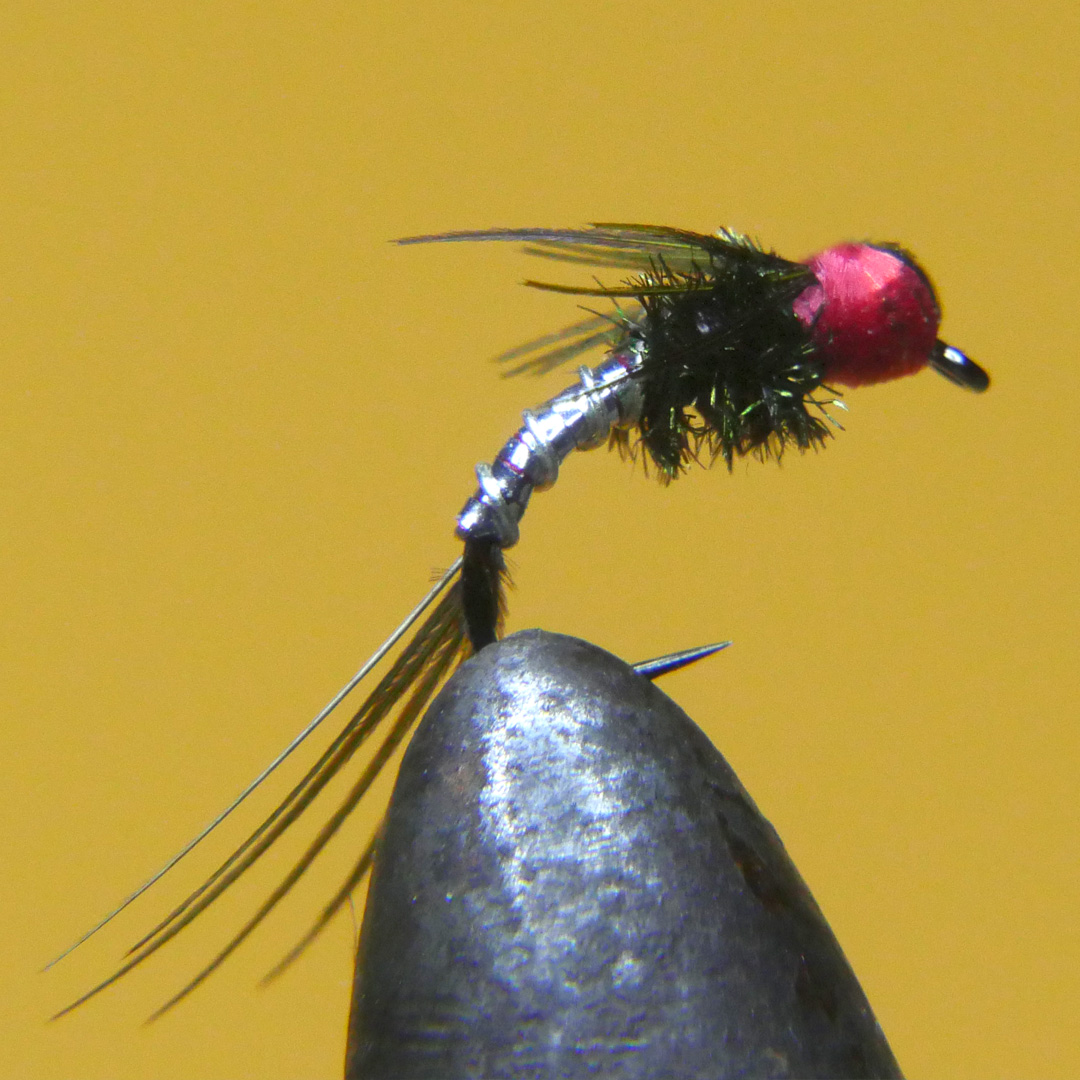
The Lightning Bug is a highly popular, flashy attractor beadhead nymph designed to reflect light and trigger aggressive predatory strikes from trout. Rather than mimicking one specific aquatic insect, it operates as a general "prospecting" pattern that stands out in fast currents, high water, or murky conditions.

Fly Type
Nymph Fly
Fly Materials
Tungsten Bead
Silver Wire
Lead Wire
Silver Tinsel
Pheasant Tail
Opal Tinsel

Japanese Pheasant Tail

Fly Description

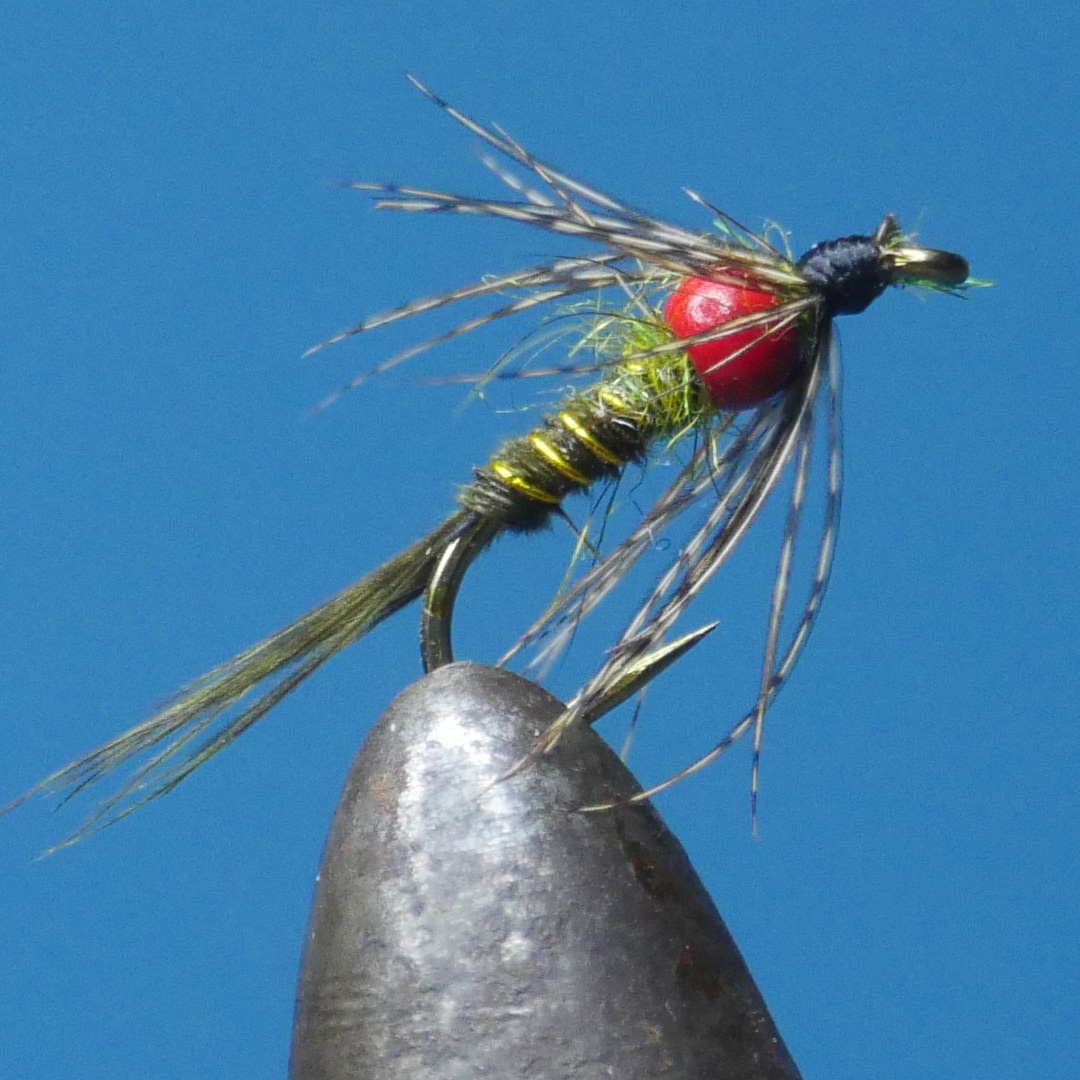
The Japanese Pheasant Tail is a highly effective, modern soft-hackle nymph variation popularized by Japanese fly tyers. While traditional Pheasant Tail Nymphs place a heavy brass or tungsten bead right at the eye of the hook to mimic bottom-dwelling insects, this clever Eastern variation completely rethinks the placement of the fly's weight to drastically alter its underwater action.

Fly Type
Nymph Fly
Fly Materials
Pheasant Tail
Gold Wire
Red Bead
Hungarian Partridge

Hot Buzzer

Fly Description

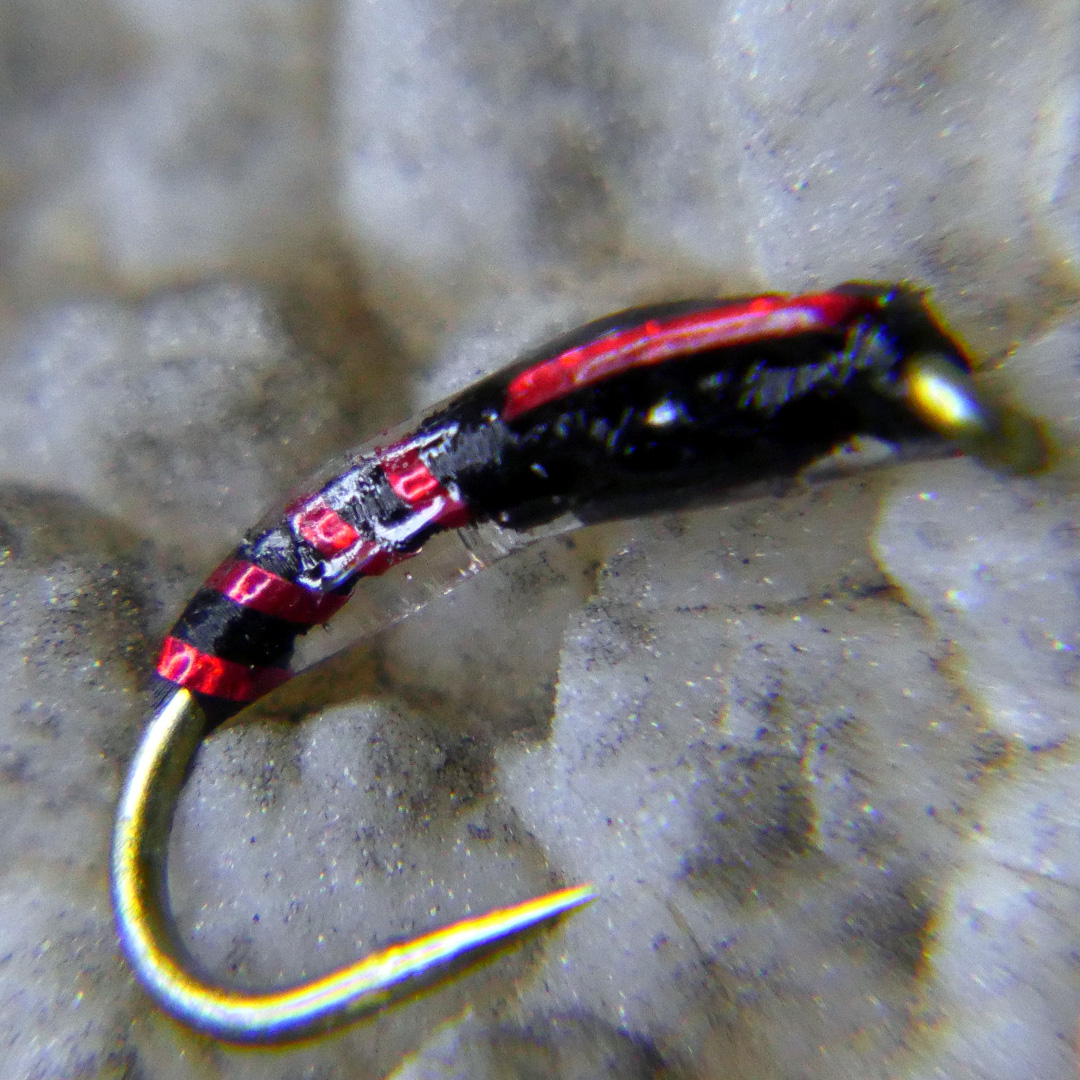
The Hot Buzzer is a highly specialized, modern stillwater fly pattern designed to imitate a chironomid (midge) pupa. In fly fishing terminology—particularly on British reservoirs, lochs, and lakes where this style originated—a "buzzer" replicates a midge pupa ascending slowly through the water column to hatch at the surface. The "hot" element refers to the inclusion of hyper-visible fluorescent or holographic accent points (such as red, neon orange, or chartreuse) that trigger aggressive strikes from selective trout.

Fly Type
Nymph Fly
Fly Materials
Peacock Quill
Goose Biots
Crystal Flash

Gold Ribbed Hare's Ear

Fly Description

The Gold Ribbed Hare’s Ear (GRHE) is one of the oldest, most versatile, and globally successful fly patterns in fly fishing history. Unlike flies that mimic a single, highly specific insect, the GRHE is a consummate "general attractor" or impressionistic pattern. Its unique, intentionally "buggy" texture realistically suggests a massive array of subsurface fish food, including mayfly nymphs, caddis larvae, stonefly nymphs, scuds, and small minnows.

Fly Type
Nymph Fly
Fly Materials
Gold Wire
Hare's Mask
Tungsten Bead
Turkey Feather