Dry Fly

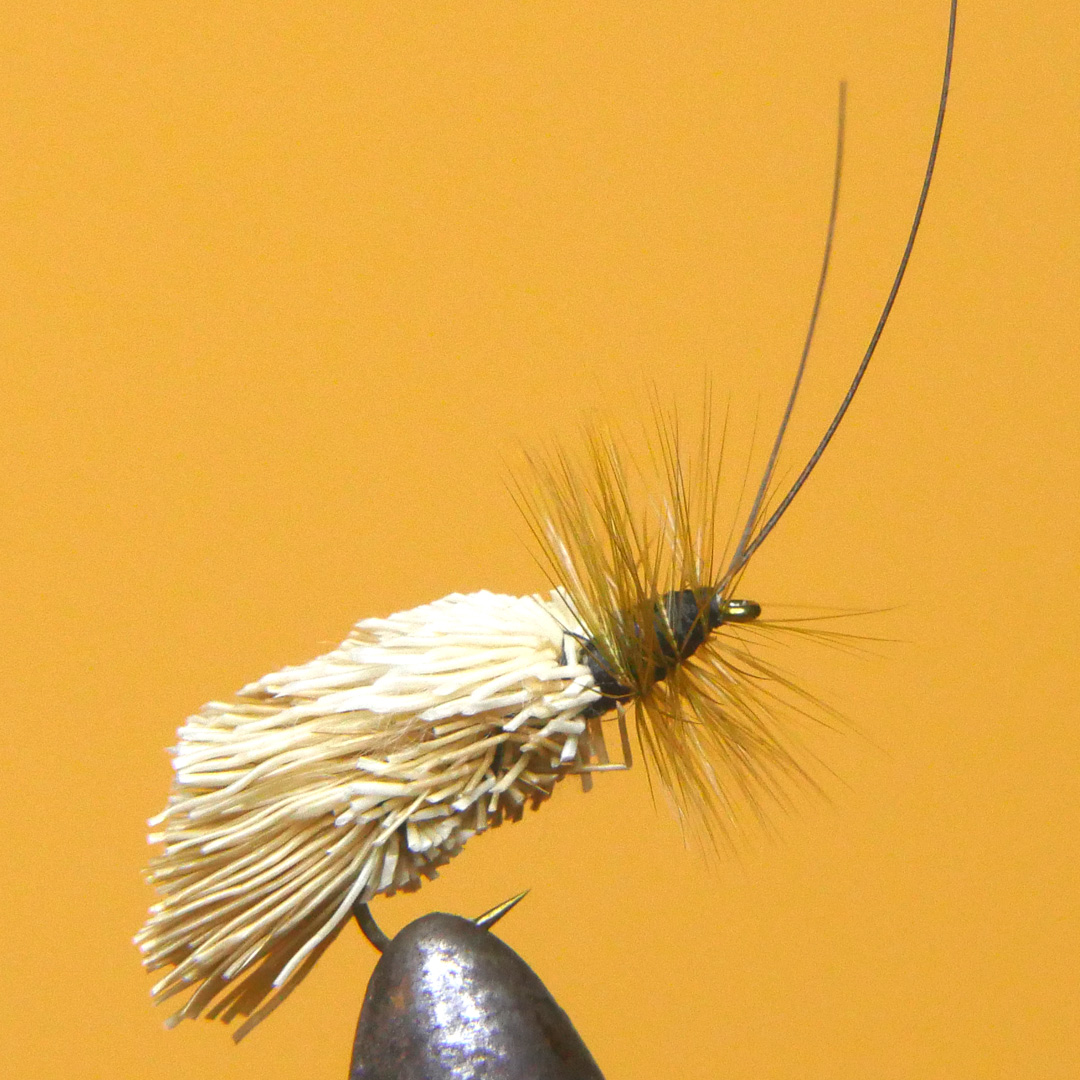
No See Um

Fly Description

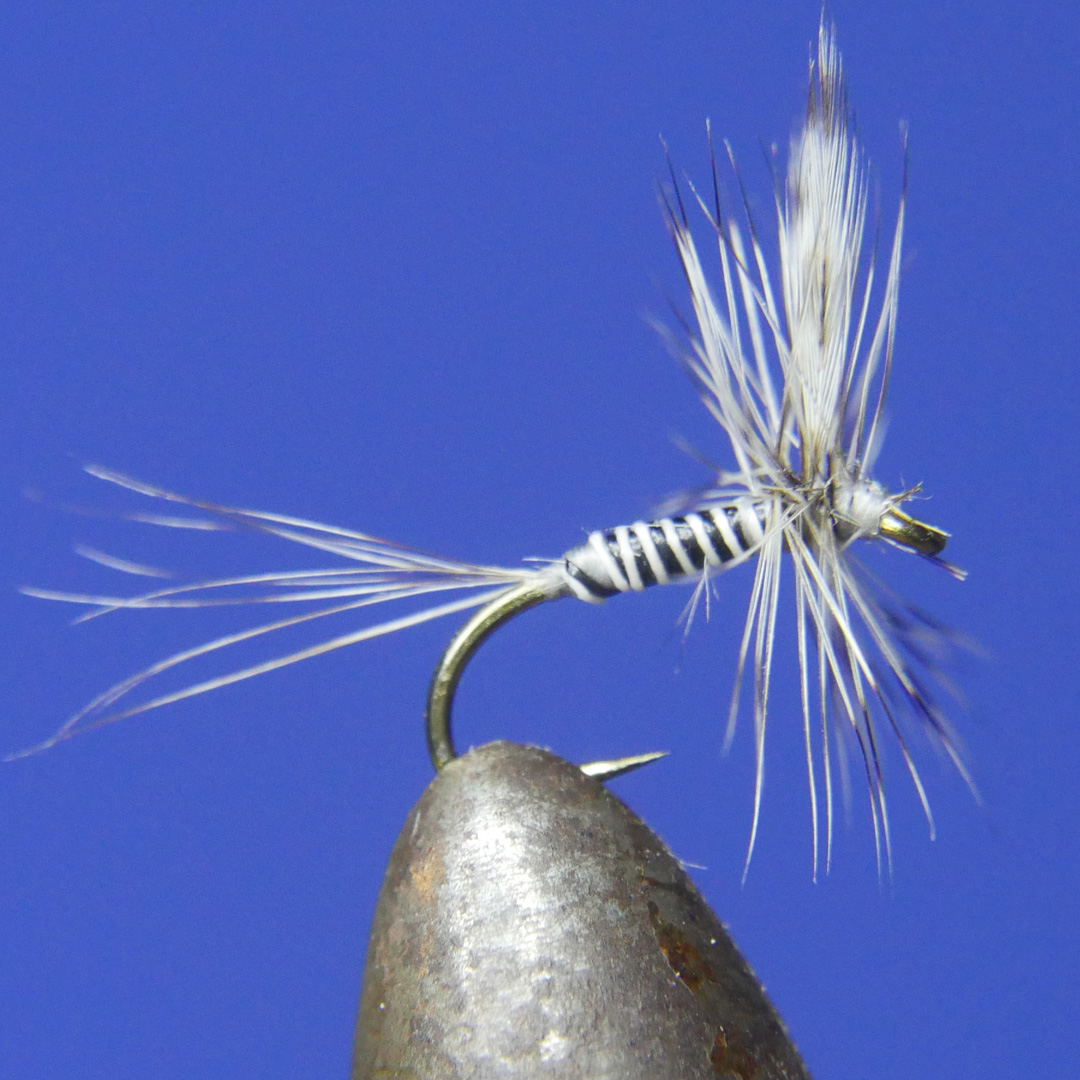
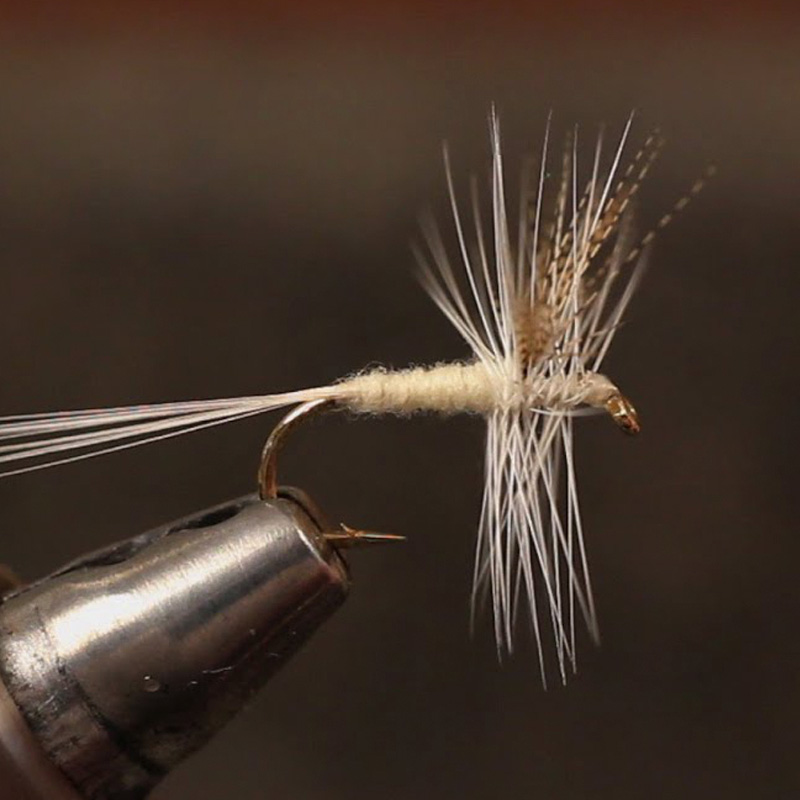
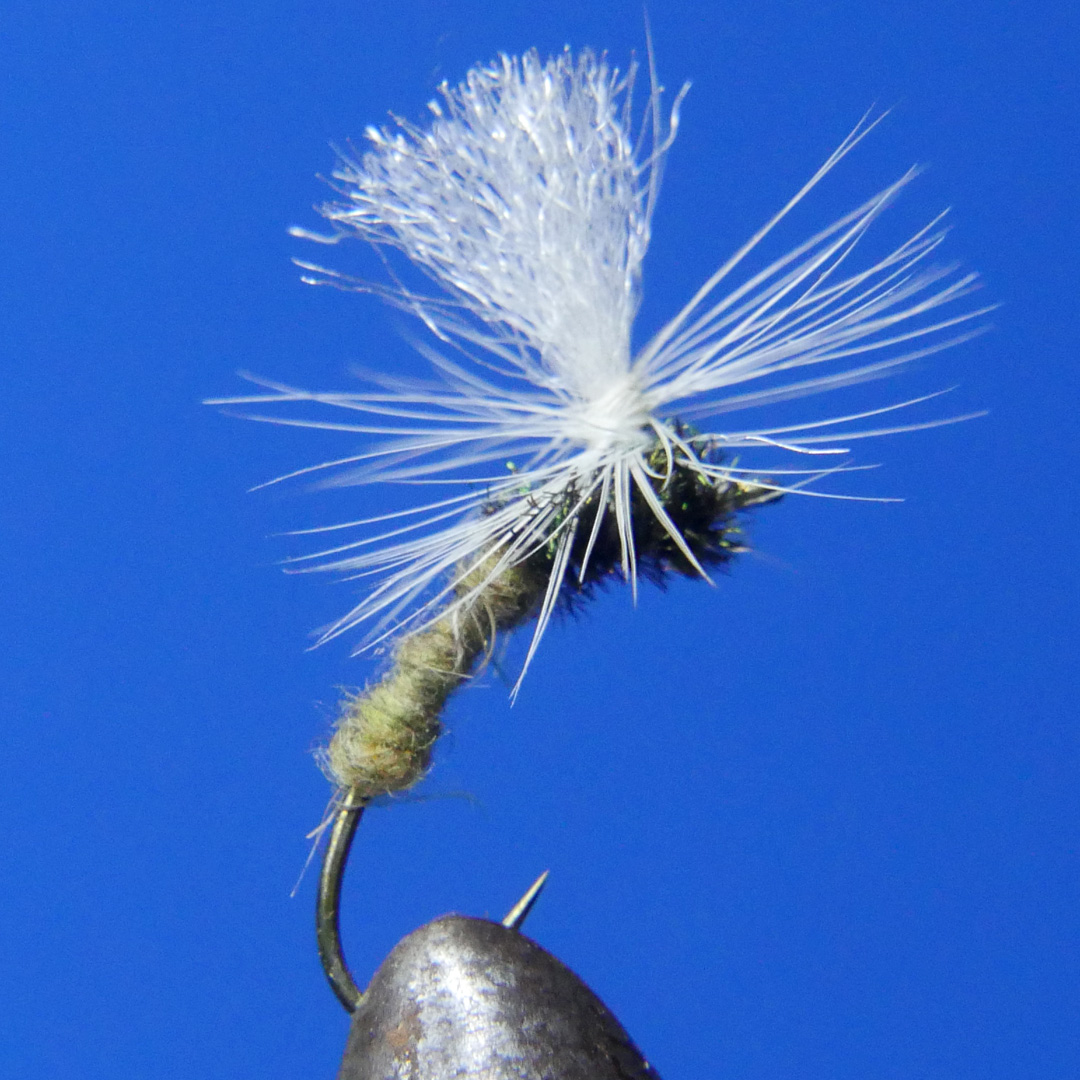
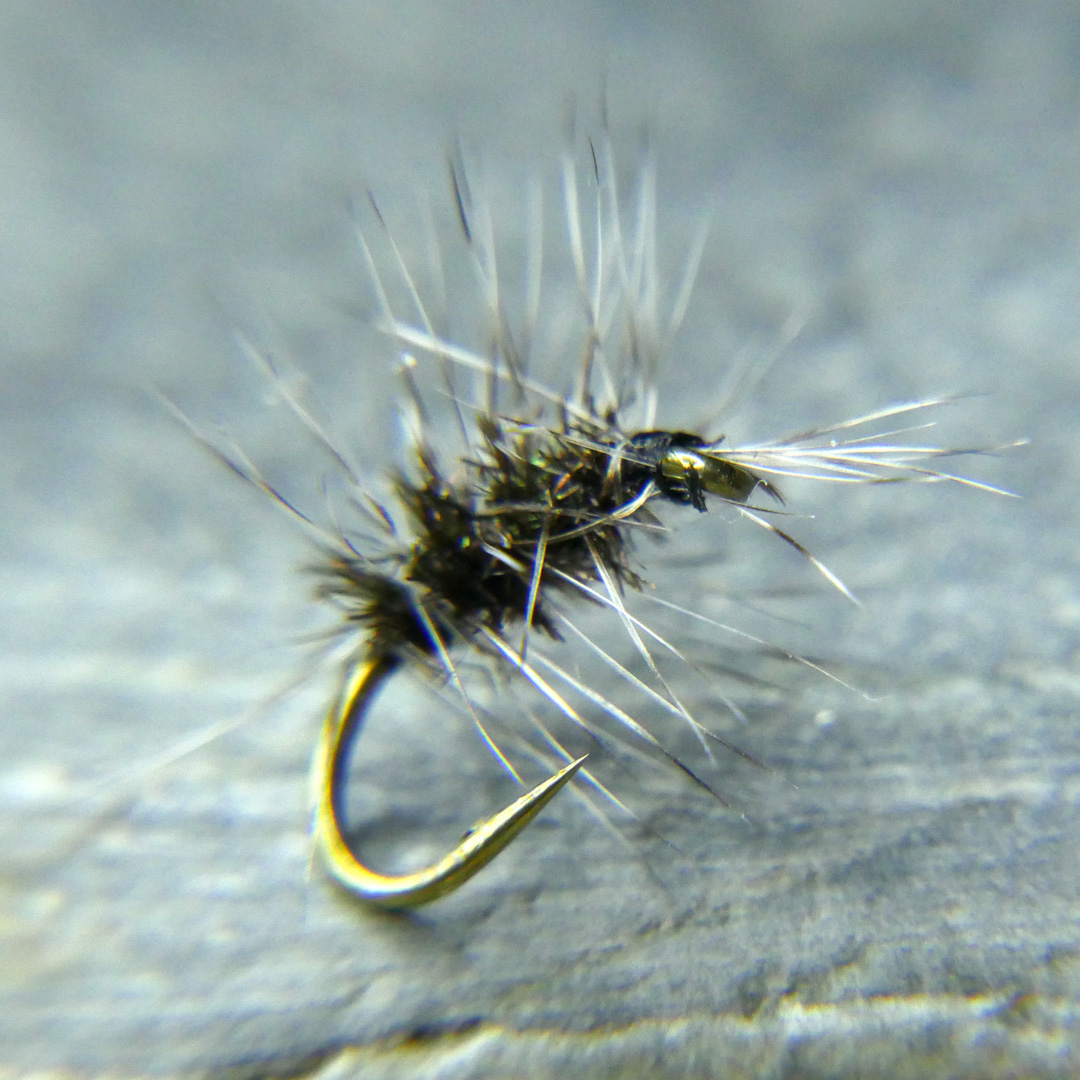
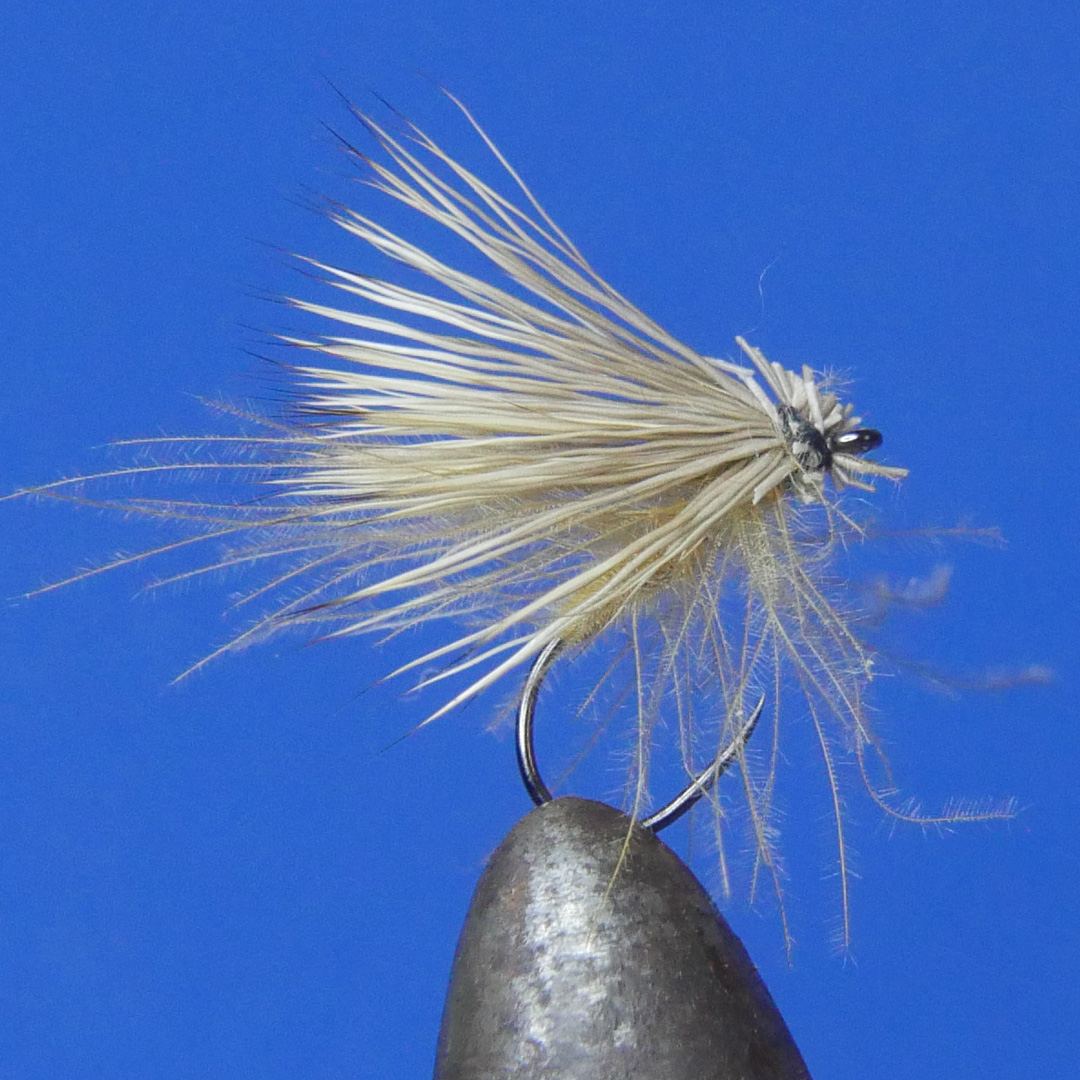
The No-See-Um (also known colloquially as the Mother Shucker) is a revolutionary, modern American dry fly pattern that has gained widespread popularity for its ultra-minimalist design. Engineered specifically to solve the frustrations of fishing during complex midge and small mayfly hatches, its history is rooted in a deliberate "less is more" philosophy.

Fly Type
Dry Fly
Fly Materials
Hen Hackle

Mosquito

Fly Description

The Mosquito dry fly is a historic American pattern with deep roots in traditional fly tying. Like many classic patterns, its exact origin is lost to history, but its journey from the eastern Catskill mountains to the western high lakes of the Sierra Nevada highlights its enduring versatility.

Fly Type
Dry Fly
Fly Materials
Grizzly hackle tips
Moose Hair

Light Cahill

Fly Description

Light Cahill is one of the most famous and enduring American dry flies in history. As a cornerstone of the traditional "Catskill style" of fly tying, its evolution spans over a century, transitioning from a dark, heavy wet fly into a delicate, pale floating masterpiece.

However, Daniel Cahill did not invent the Light Cahill. He created the Dark Cahill.The Original Blueprint: Cahill’s original pattern was an impactful wet fly designed primarily to target native brook trout.

The Materials: It featured a darker silhouette, typically utilizing a blue-gray muskrat fur body, a red-brown hackle, and wood duck flank feathers for the wings and tail.

Fly Type
Dry Fly
Fly Materials
Mallard Feather
Rooster Neck
Dubbing

Klinkhammer

Fly Description

The Klinkhåmer Special (commonly spelled Klinkhammer) is one of the most successful and revolutionary emerger patterns in modern fly fishing. Devised to mimic a caddisfly or mayfly struggling to break through the water's surface film, its history is a fascinating mix of careful observation, collaborative naming, and parallel evolution in fly design. 

The fly was created in 1984 or 1985 by Dutch angler Hans van Klinken while he was fishing for grayling and trout in central Norway, specifically around rivers like the Glomma.


Fly Type
Dry Fly
Fly Materials
Hen Hackle
Antron
Peacock Herl
Dubbing

Griffiths Gnat

Fly Description

The fly's history is inextricably linked with George Griffith (1901–1998), a legendary, lifelong conservationist and co-founder of Trout Unlimited. In July 1959, Griffith organized the historic first meeting of Trout Unlimited at his private cabin, "The Barbless Hook," situated right on the banks of the Au Sable River.

Fly Type
Dry Fly
Fly Materials
Peacock Herl
Grizzly Hackle

Goddard Caddis

Fly Description

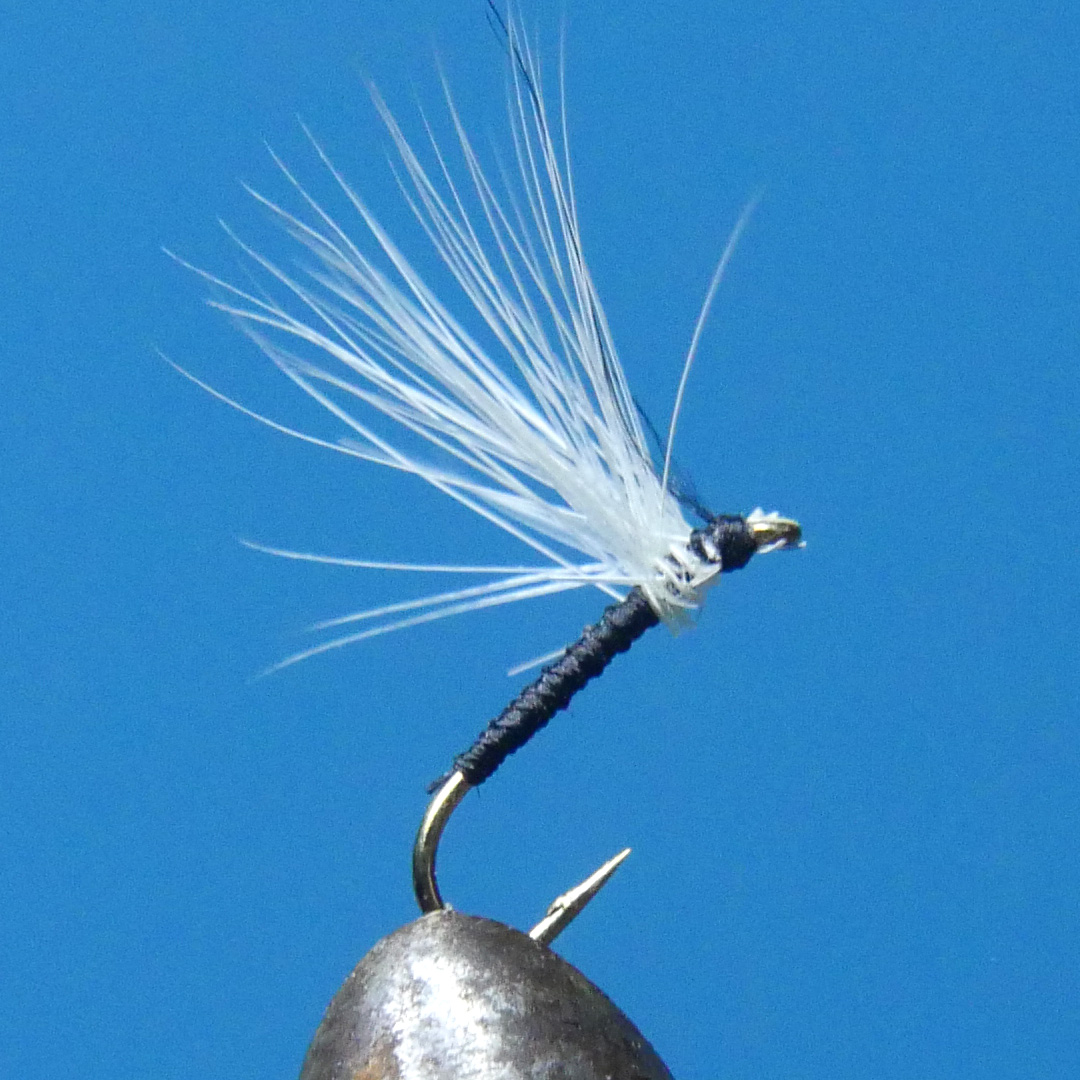
John Goddard and Clive Henry originally designed the fly to solve a specific tactical problem on British lakes, lochs, and reservoirs. They observed that when egg-laying female caddisflies emerged on stillwaters, they did not sit passively; instead, they skittered, skated, and skipped rapidly across the surface film, creating a very distinct V-shaped wake.

Traditional English dry flies wrapped in sparse rooster hackle would immediately swamp and drown if an angler tried to pull or skitter them across the lake. To construct an "unsinkable" fly that could tolerate being actively skated, Goddard and Henry turned to tightly spun hollow deer hair, a material highly popularized by American bass-bug tyers but less common in UK trout dry flies at the time.

When they introduced the pattern to the British public, it went by its original name: The G&H Sedge (named after the initials of Goddard and Henry).

Fly Type
Dry Fly
Fly Materials
Deer Hair
Hen Hackle

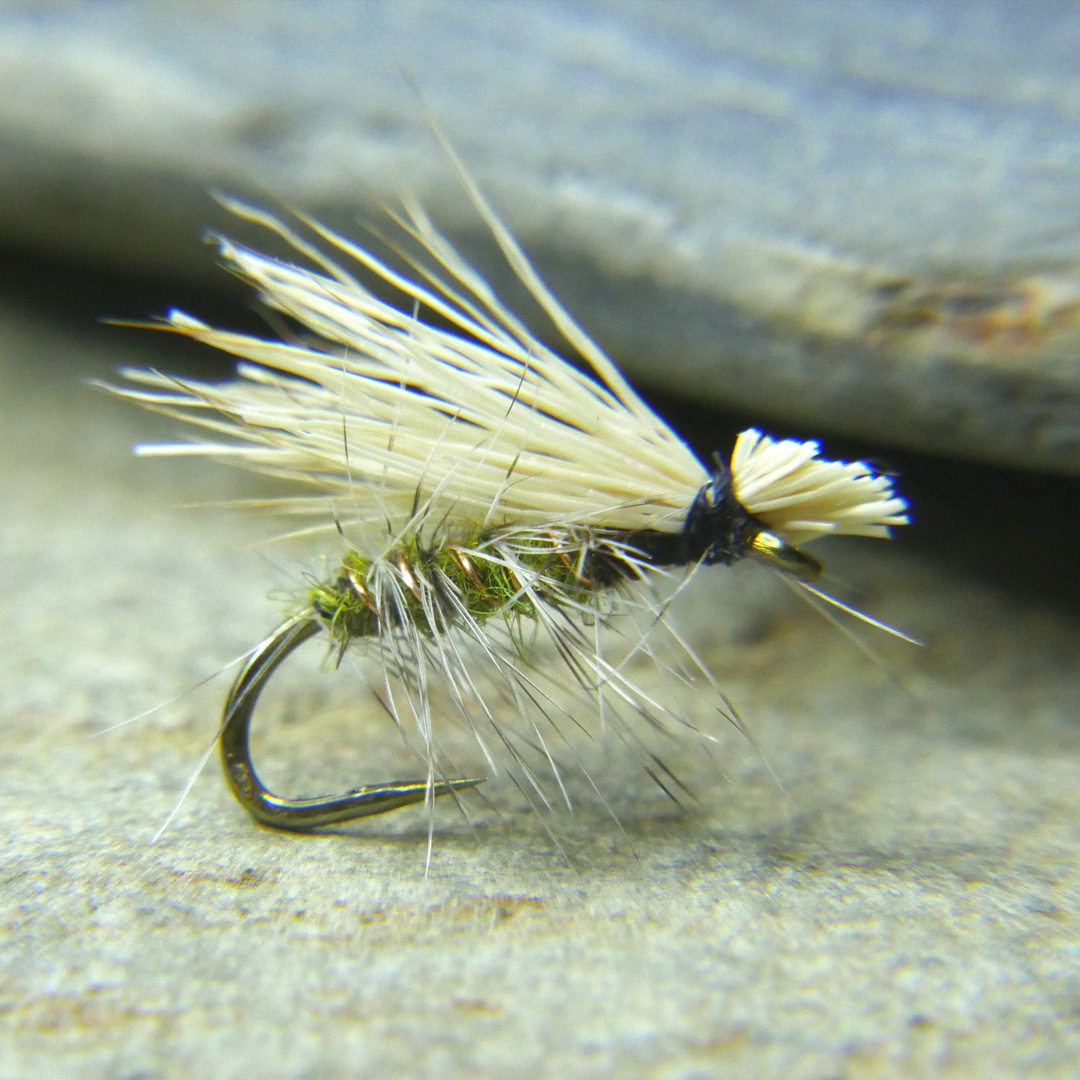
Elk Hair Caddis

Fly Description

The fly was created in 1957 by legendary fly tyer and schoolteacher Al Troth while he was living in Pennsylvania. He first fished the pattern on Loyalsock Creek in eastern Pennsylvania to match a specific green caddis hatch that local trout were keyed into.I

nterestingly, Troth did not intend to make a dry fly. He was actually trying to build a wet fly—an emerger pattern that he could swing through river riffles. Inspired by classic palmered flies like G.E.M. Skues’ Little Red Sedge, Troth combined a lightly dubbed fur body, a rooster hackle, and a wing made of hollow elk hair. What he did not anticipate was just how much air gets trapped inside hollow elk hair. Instead of sinking, the fly floated like a cork, resulting in an accidentally perfect dry fly.

Fly Type
Dry Fly
Fly Materials
Elk Hair
Copper Wire
Hen Hackle
Dubbing

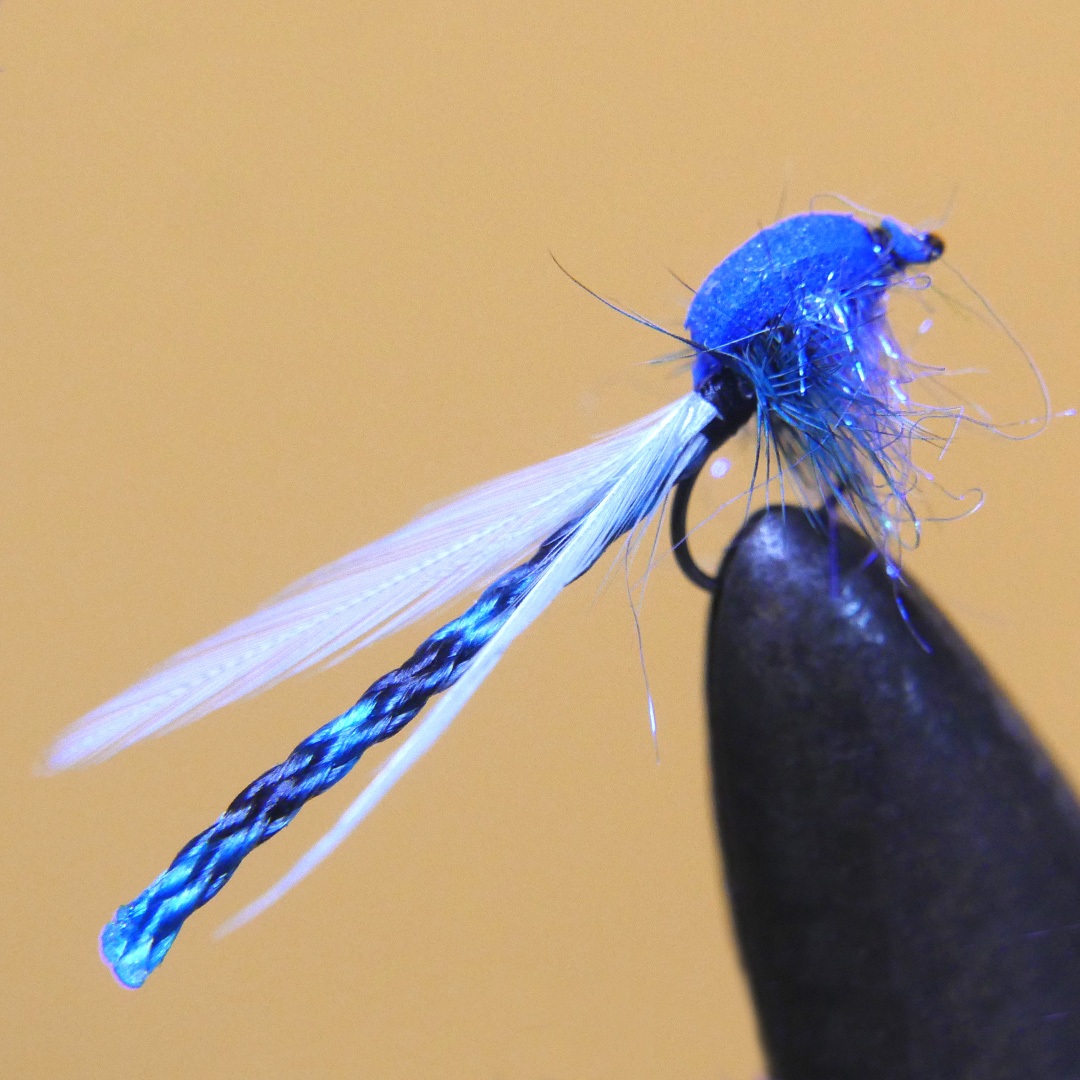
Damsel Fly

Fly Description

The mid-20th century saw the birth of modern lake fly fishing, pioneered heavily in the UK reservoirs and the Intermountain West and Pacific Northwest of North America. Biologists and anglers began stomach-pumping trout caught during summer shore-frenzies and found them packed exclusively with slender, olive-green, or tan crawling nymphs.Anglers realized that when damselflies are ready to transform into adults, they must leave the weeds and swim horizontally toward the shore to crawl up cattails or reeds. This journey across open water leaves them entirely defenseless.

Fly Type
Dry Fly
Fly Materials
Braided Fly Line Backing
Foam
Ice Dubbing
Grizzly Hackle

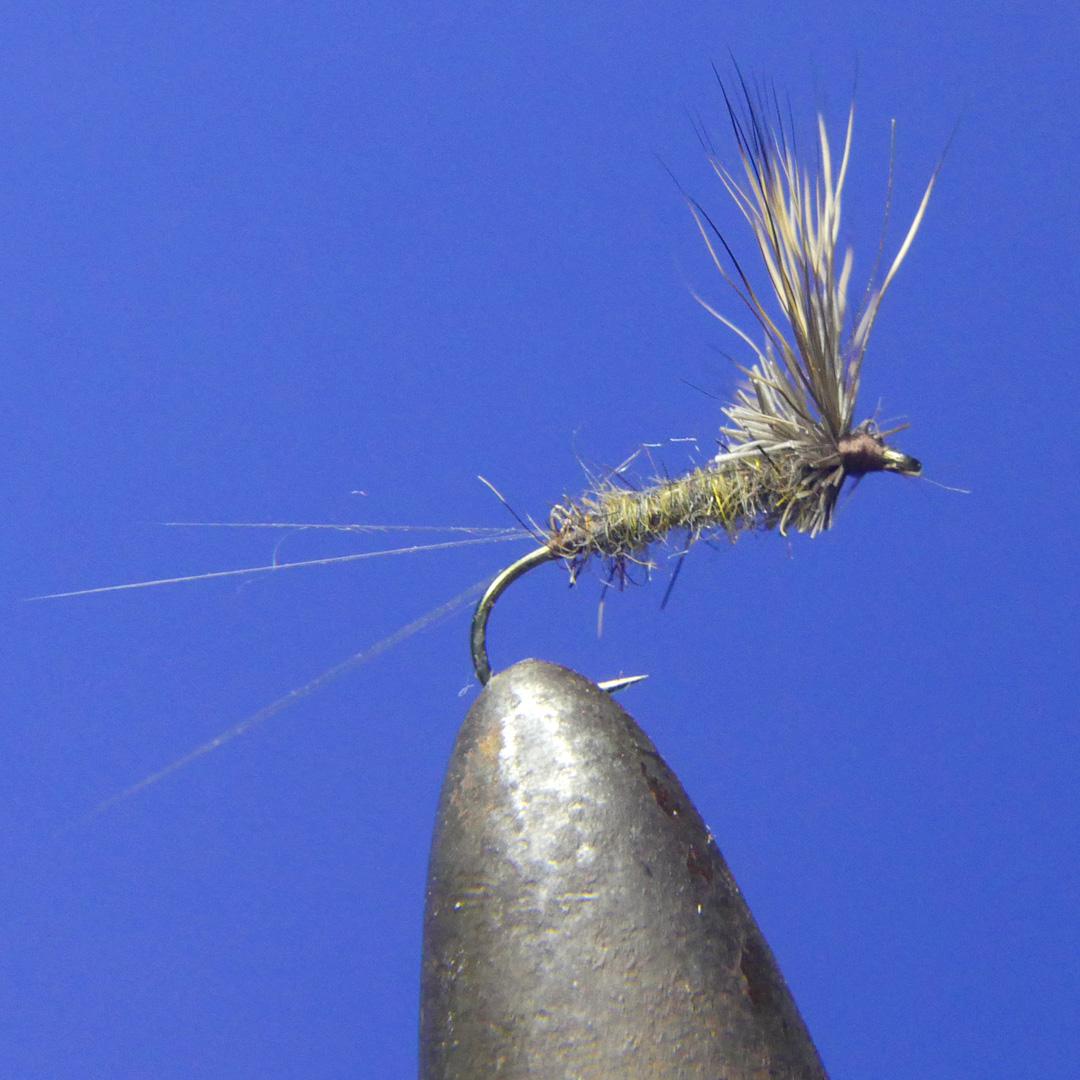
Comparadun

Fly Description

The Comparadun is a revolutionary, no-hackle dry fly pattern developed in the early 1960s by Al Caucci and Bob Nastasi. Engineered specifically to trick highly selective, wild trout on the heavily pressured tailwaters of the Delaware River, its introduction shifted the fly-fishing world away from stiff, high-riding traditional feathers toward ultra-realistic silhouettes that ride directly in

Fly Type
Dry Fly
Fly Materials
Dubbing
Deer Hair
Paint Brush Bristle

CDC and Elk

Fly Description

The pattern was born out of Weilenmann's desire to improve upon Al Troth's legendary Elk Hair Caddis (EHC). Invented in 1957, the EHC relied on a dubbed fur body wrapped with a palmered rooster hackle to float.

Weilenmann realized that while the original EHC was highly effective, the stiff rooster hackle made the body ride rigidly on top of the water film, rather than settling realistically in it. Furthermore, standard rooster hackle required multiple materials and steps to tie.

To solve this, Weilenmann completely stripped away the EHC's fur dubbing and rooster feather. In their place, he substituted a single CDC (Cul de Canard) feather wrapped forward along the hook shank

Fly Type
Dry Fly
Fly Materials
CDC
Elk Hair