Wet Fly

Carey Special

Fly Description

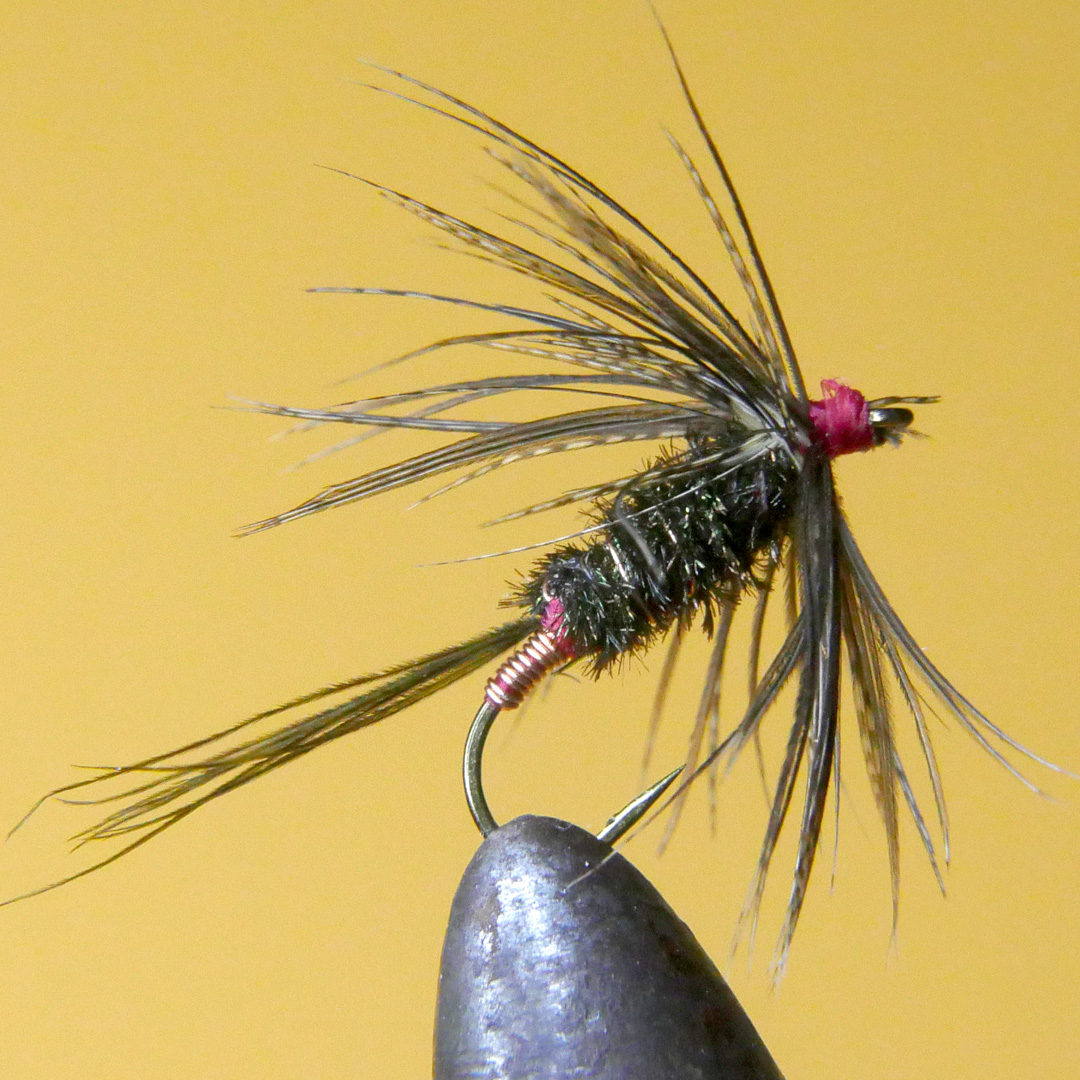
The Carey Special is a legendary stillwater wet fly pattern that originated in British Columbia, Canada, during the 1920s or 1930s. Devised as a highly versatile attractor pattern meant to mimic dragonfly nymphs, leeches, and caddis pupae, it became a foundational staple of Pacific Northwest trout and steelhead fishing.

The fly was created through a collaboration between Colonel Thomas "Tom" Carey—a British World War I veteran from Yorkshire who migrated to British Columbia for its legendary fishing—and Dr. Lloyd Day, a physician from Kelowna.

According to local lore, during a fishing trip to Arthur Lake in the Okanagan region, Dr. Day found a dead groundhog (marmot) on the side of the road. Intrigued by the texture of the fur, he asked Colonel Carey to tie a fly using the animal's hairs.
Fly Type
Wet Fly
Fly Materials
Peacock Herl
Pheasant Tail
Hen Hackle

Coachman

Fly Description

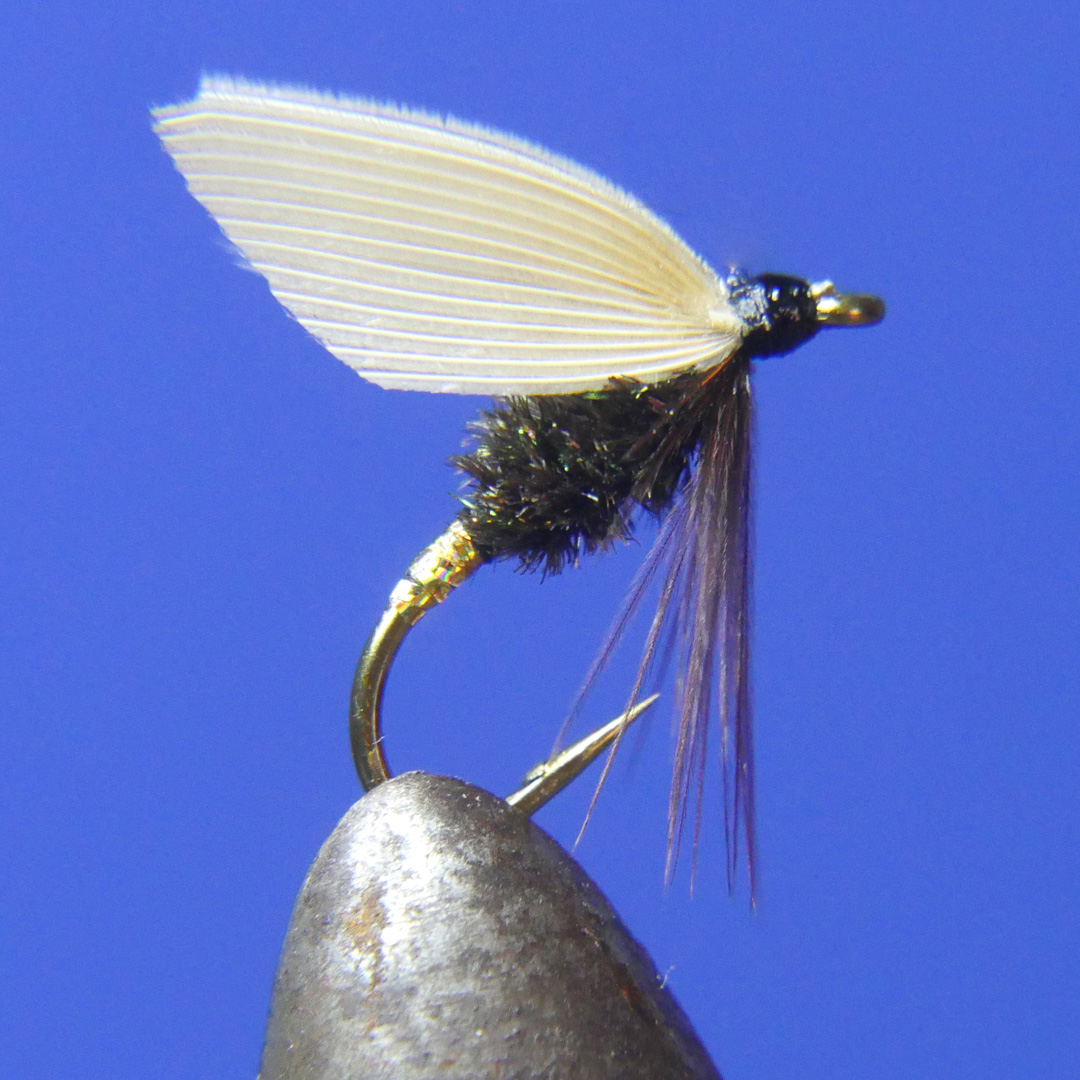
The Coachman fly pattern is one of the oldest, most iconic families of attractor flies in fly fishing history, originating as an English wet fly in 1830 before evolving into legendary American dry flies and streamers.Originally tied by Tom Bosworth—a carriage driver for British royalty—the core template features a distinctive shimmering peacock herl body paired with white wings and brown hackle. It is designed primarily to act as a general attractor pattern, meaning it does not perfectly replicate a single insect, but its high-contrast profile triggers aggressive strikes from brook, brown, and rainbow trout.

Fly Type
Wet Fly
Fly Materials
Peacock Herl
Hen Hackle
Gold Wire
Mallard Feather
Gold Tinsel

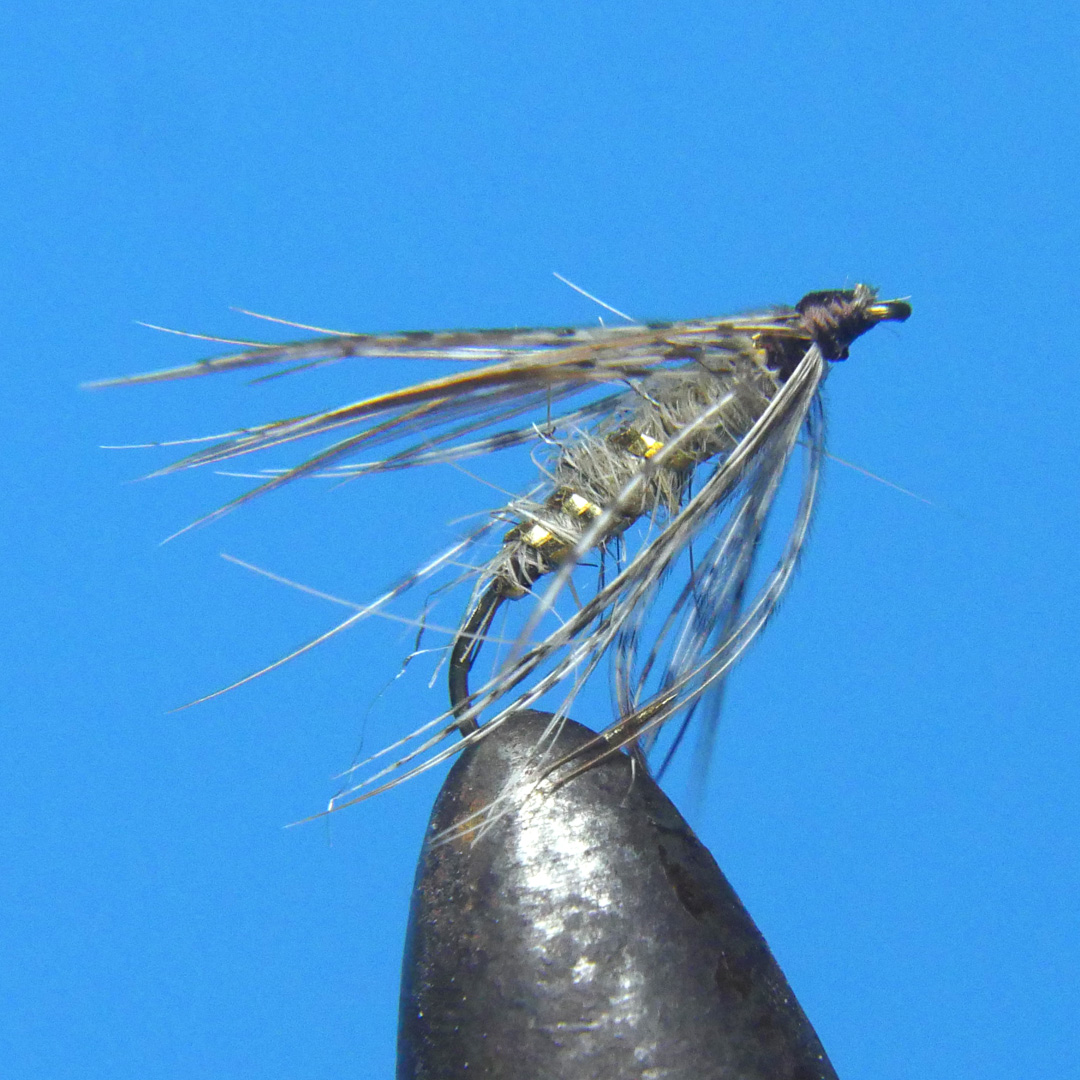
March Brown Spider

Fly Description

The March Brown Spider is a classic, highly effective soft-hackle wet fly pattern used primarily to imitate emerging March Brown. The March Brown Spider is used primarily during the spring season across nearly every major trout-fishing region of the United States, though its exact timing shifts depending on the part of the country. Because it is a soft-hackle wet fly that suggests life rather than perfectly matching one specific bug, it functions as a highly effective "searching" pattern all year long, but it excels during the specific March Brown mayfly hatches.

Fly Type
Wet Fly
Fly Materials
Gold Wire
Hungarian Partridge
Hare's Ear Fur

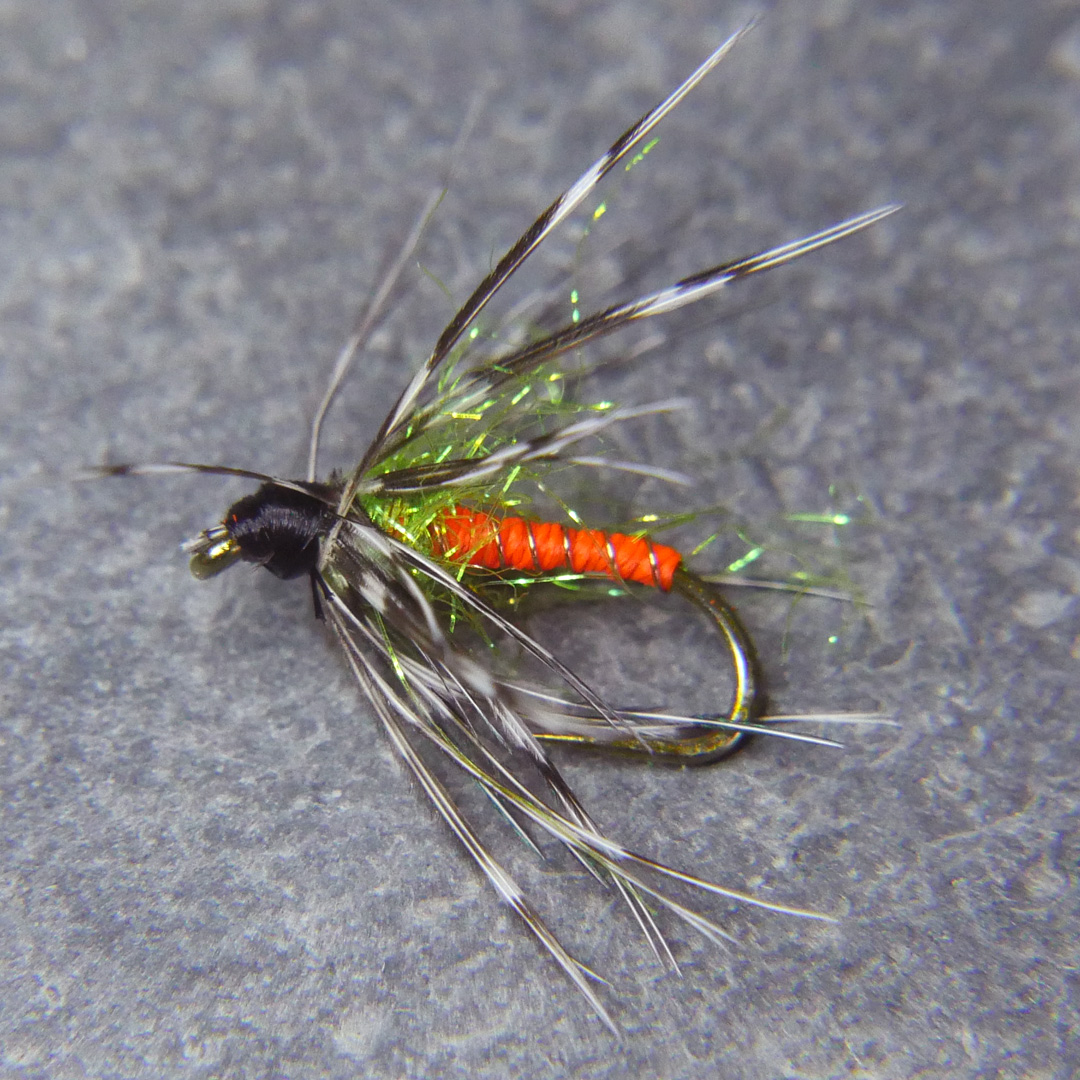
Partridge and Orange

Fly Description

A partridge and orange fly is a classic, simple artificial wet fly used in fly fishing to catch trout and grayling.

The Partridge and Orange is one of the oldest, most resilient artificial fly patterns in existence, with a history spanning over 500 years. It belongs to a historic class of wet flies known as North Country Spiders, which originated in the upland, limestone rivers of Northern England (particularly Yorkshire and the River Wharfe). The history of the fly is deeply intertwined with Pearsall's Gossamer Silk. In the 1800s, English silk makers began producing Color #6a (Hot Orange) thread specifically for fly tyers. When wet, this specific silk thread turns a translucent, glowing, olive-orange hue that perfectly mimics the translucent abdomen of a real pupa or nymph underwater—a trait that modern synthetics still struggle to replicate perfectly.

Fly Type
Wet Fly
Fly Materials
Floss
Hungarian Partridge
Dubbing
Gold Wire

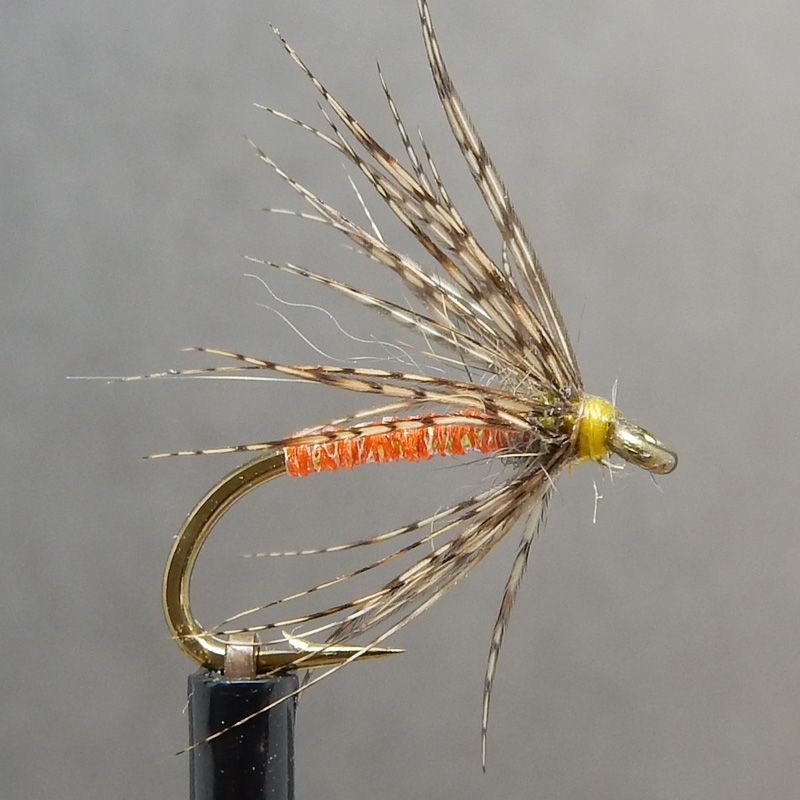
Soft Hackle

Fly Description

Soft hackle flies are simple, highly effective traditional wet flies featuring sparse bodies and soft game-bird feathers (like partridge or hen) for legs. They mimic emerging or drowned insects like mayflies and caddis, pulsing enticingly in the current to trigger aggressive strikes from trout.

Key Characteristics
The Hackle: Made from soft, flexible feathers swept back toward the hook rather than stiff dry-fly hackles.
The Body: Usually slim and sparse, often made of simple silk thread, floss, or light dubbing.
No Wings: Most traditional patterns feature no wings and lack a tail, keeping the profile sleek.
What It Imitates Emerging Insects: Bugs moving from the riverbed to the surface to hatch.Drowned Adults: Spent insects trapped or struggling in the surface film.

Fly Type
Wet Fly
Fly Materials
Floss
Hungarian Partridge
Peacock Herl

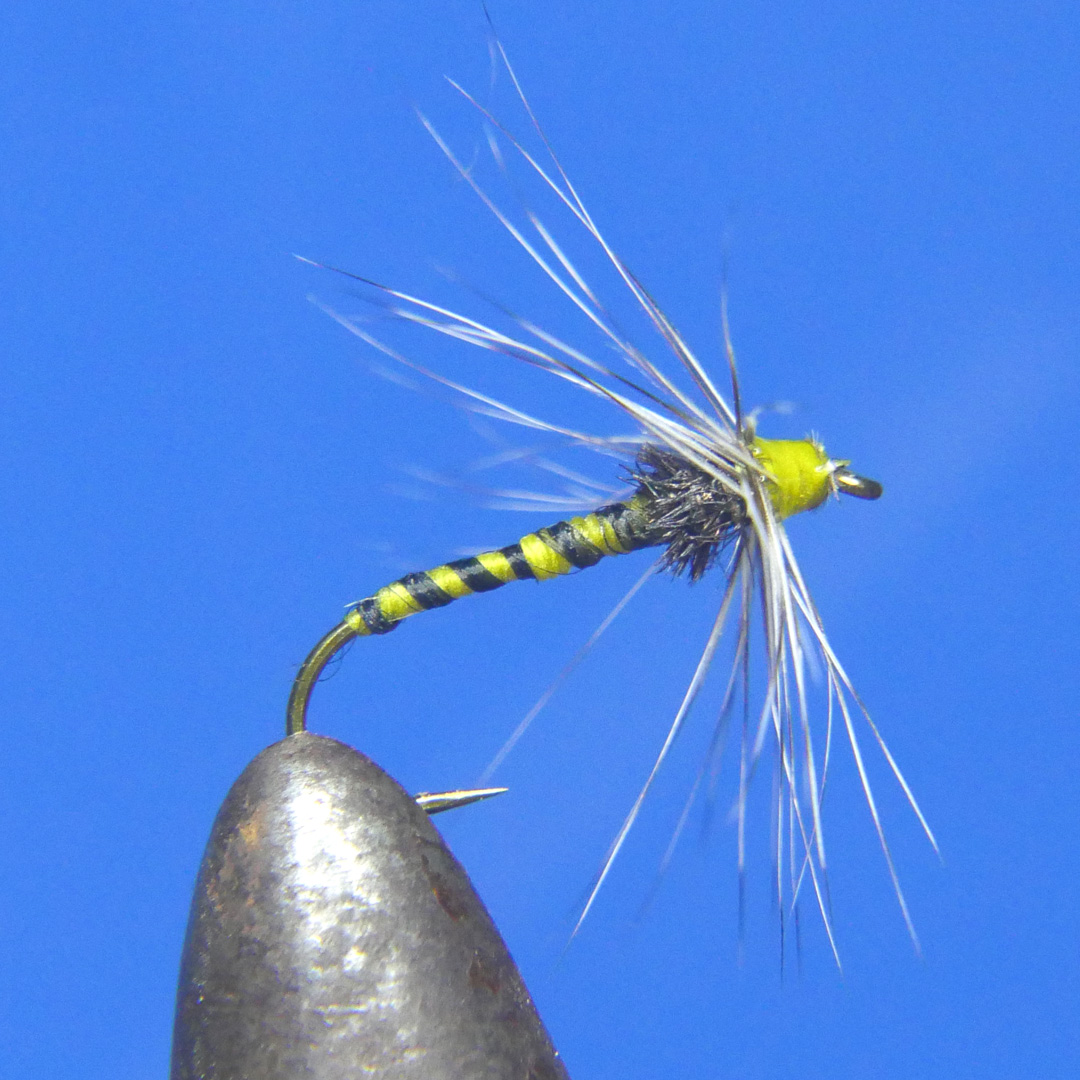
Yellow Hammer

Fly Description

The Yellow Hammer (or Yallerhammer) is a classic Southern Appalachian attractor fly pattern traditionally tied with bright yellow floss, a black rib, and feathers mimicking the yellow-shafted flicker woodpecker.

Fly Type
Wet Fly
Fly Materials
Grizzly Hackle
Peacock Herl
Floss